

Houseplant keeps drooping and turning yellow despite regular watering? One mistake almost everyone makes
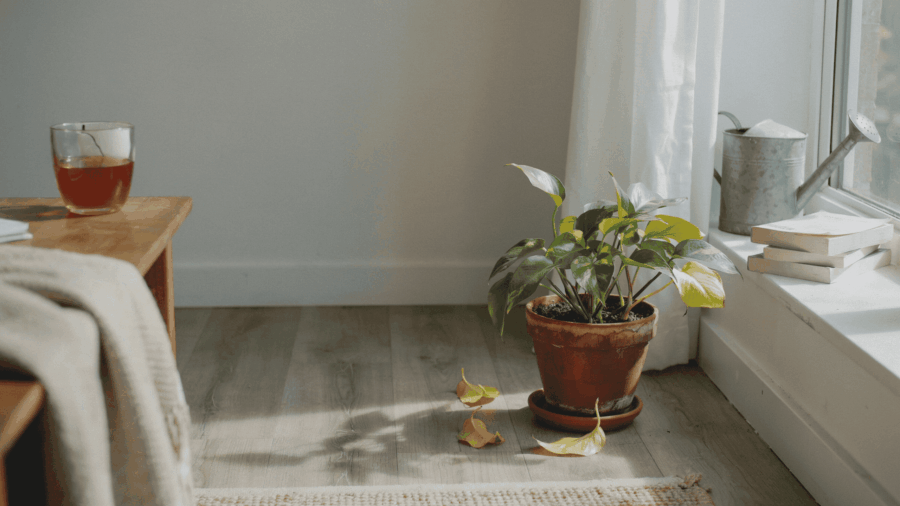
You know the exact plant this article is about. It’s the one in the corner that started out lush and hopeful, and now it just looks tired. The lower leaves have gone soft and yellow. The stems droop like the plant’s quietly giving up on you. And the strangest part? You’ve been watering it. You didn’t skip it. You didn’t forget. You watered it, the way you’re supposed to.
So what’s going on?
If you’re like most American plant owners, your next move is to water it again. A little more this time. Maybe a splash between the usual waterings, just to be safe. It looks thirsty. It has to be thirsty. Right?
That’s the moment the plant is most likely to die.
Not because you were careless. Because you were kind. And there’s one small habit sitting underneath almost every quiet houseplant death in the country. Almost nobody knows they’re doing it.
You’re not alone, and it’s not the plant
Before we get anywhere near what’s really going on, take a little pressure off yourself.
The University of Maryland Extension says the number one reason indoor plants die isn’t neglect. It’s the opposite. Missouri Botanical Garden says the same thing. So does the University of Connecticut’s plant program, and Clemson University’s Home and Garden Information Center. Every big US university that studies this lands in the same spot: the plants dying in American homes right now aren’t dying from being forgotten. They’re dying from a habit their owners think is helping.
The really unfair part is that when the habit starts to backfire, the plant sends out signals that look exactly like a cry for help. Soft, drooping leaves. Yellow at the bottom. That general “please do something” look. The University of Maryland Extension flags this straight up: struggling houseplants often show the same signs as a plant that’s dying of thirst, even when thirst has nothing to do with it. Clemson’s plant experts note the same thing about yellowing leaves. Nine times out of ten, they’re pointing at something completely different from what most people guess.
So the plant looks thirsty. The owner, being a decent human being, does the caring thing and reaches for the watering can. The plant looks worse. The owner tries harder.
That’s the loop. And it kills plants across America, quietly, every single day.
What it’s not
Before we get to what it actually is, let’s clear a few things off the table, because plant owners tend to blame every one of these first.
It’s usually not the plant. Pothos, peace lilies, snake plants, philodendrons, spider plants, monsteras. The plants sold as “hard to kill” really are that tough in the right conditions. If yours is failing, the plant isn’t the problem.
It’s usually not the light, at least not on the timeline you’re seeing. Bad light causes slow decline over weeks and months, not the sudden droop-and-yellow you’re staring at right now.
It’s usually not fertilizer, and it’s almost never a nutrient thing. Clemson and UConn both point out that new plant owners tend to reach for plant food as a fix, and it makes almost no dying houseplant better. Sometimes it makes things worse.
It’s usually not the pot itself, except for one specific detail we’ll get to in the fix.
Which leaves the last thing on the list. The thing you’d swear you’re doing right.
Here’s what’s actually happening
Roots don’t just drink. They also breathe.
Good potting soil is full of tiny air pockets between the bits of soil. Roots pull oxygen out of those pockets, and they need it just as much as they need water. It’s real breathing, and every university plant guide from Maryland to Florida to South Carolina explains it the same way.
Now here’s what happens when a plant gets watered on a routine, or “just a splash more” between waterings, or watered every time the leaves look a little sad. Each pour fills up those air pockets with water and pushes the oxygen out. If the soil never fully dries between waterings, the oxygen never comes back. Within a few days of the soil staying wet, the roots start to suffocate and die. Tiny fungus-like bugs that live quietly in most potting soil then wake up and start eating the dead roots. This is called root rot, and it’s the actual killer.
Once root rot starts, the roots literally can’t pull water up into the plant anymore. Even though they’re sitting in wet soil. So the leaves droop. The lower ones go soft and yellow. The plant looks exactly like it’s dying of thirst.
It isn’t. It’s drowning.
And that’s the mistake almost every plant owner makes: reading a drowning plant as a thirsty one, and giving it more of the exact thing that’s killing it.
The fix, straight from the experts
Every major US plant-science extension recommends the same swap for whatever watering routine you’re on now. It costs nothing. Takes about five seconds per plant. Here it is, step by step.
Before you water, do the finger check. Push your index finger straight down into the soil, up to your second knuckle. That’s about 1 to 2 inches (2.5 to 5 cm) deep for most houseplants. That’s the zone where the working roots live. Ignore what the top of the soil looks like. The surface dries out fast and doesn’t tell you anything real.
Only water if it feels dry down there. If the soil at that depth feels dry or crumbly, water it. If it feels cool or even a little damp, don’t. Wait a day. Check again. No guessing.
When you do water, water thoroughly. Slowly, until you see water coming out of the drainage holes at the bottom of the pot. The University of Florida’s plant extension is clear on this, because a light “sip” leaves the middle of the pot dry and starves the roots at the bottom.
Empty the saucer. This is the step almost everybody skips. If the pot sits in a tray of water afterward, the bottom of the soil stays soaked, oxygen never gets back in, and you’re right back where you started. Missouri Extension and University of Florida both spell this out: after watering, let the pot drain, then pour out whatever ends up in the saucer.
Do it all over again next time. Not on a set day. When the finger check says it’s time. That might be three days. It might be ten. It depends on the season, the room, the pot, the plant. Which is exactly why a calendar can’t do this job and your finger can.
What to expect
Within a week or two of switching to the finger check, most struggling houseplants start to turn a corner, as long as the roots haven’t fully collapsed. The soil finally gets to dry out between waterings. Oxygen comes back. The healthy roots left behind start pulling water again. New growth follows.
The University of Maryland Extension notes that mild overwatering damage can be reversed once the wet-and-dry pattern gets fixed. Clemson agrees.
Your plant isn’t asking for more of what you’ve been giving it. It’s asking for less. That’s the whole rescue, and it costs nothing.
Sources: (1) University of Maryland Extension, Overwatered Indoor Plants; (2) University of Maryland Extension, Winter Indoor Plant Problems; (3) Clemson Cooperative Extension HGIC, Houseplant Diseases and Disorders; (4) University of Florida IFAS Extension, Watering and Fertilizing Houseplants.
The post Houseplant keeps drooping and turning yellow despite regular watering? One mistake almost everyone makes appeared first on Trendir.