

One knife storage mistake that quietly dulls every sharp blade: here’s the better way
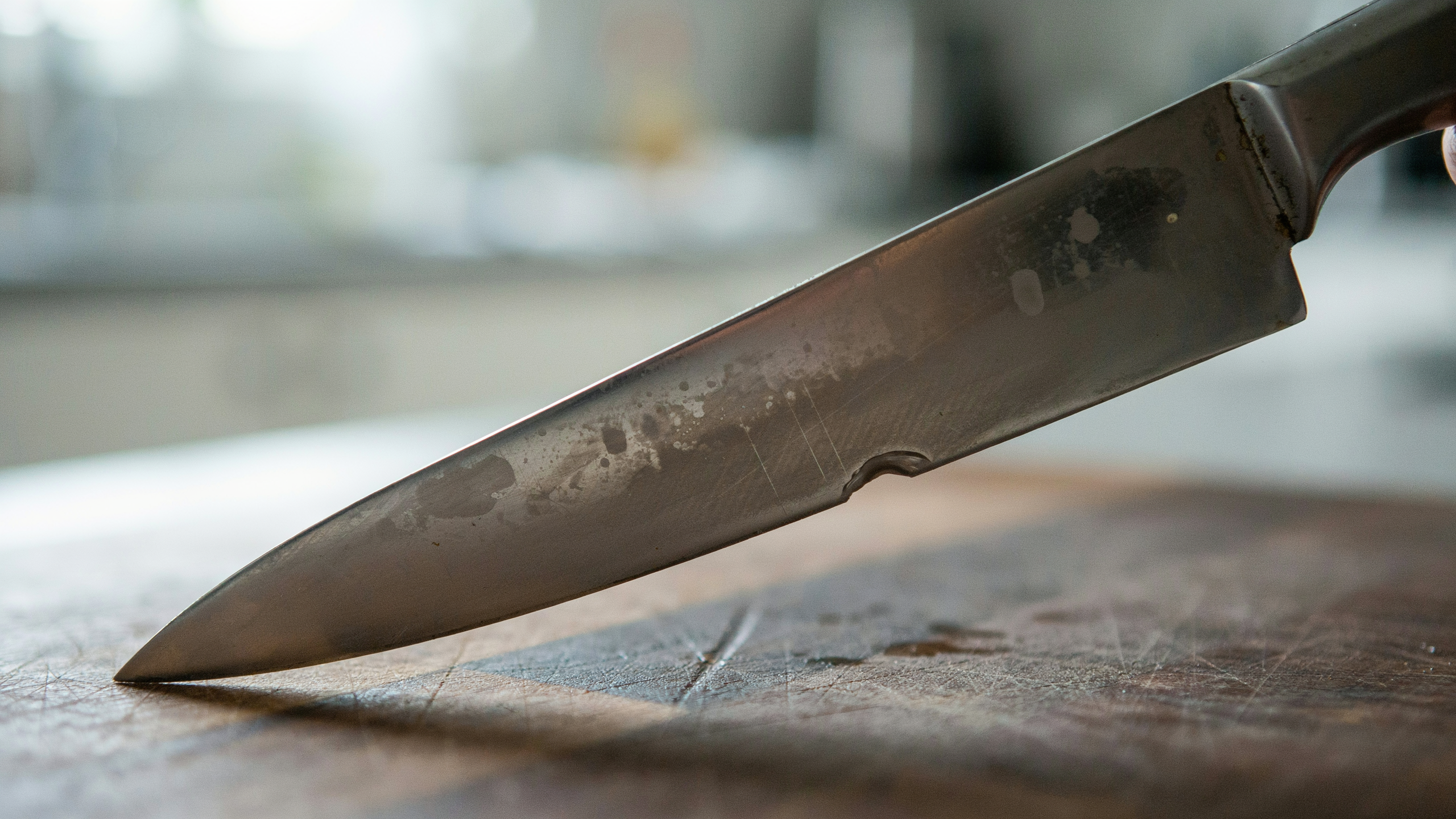
You spent good money on that chef’s knife. You sharpened it a few months ago. And still, cutting a tomato feels like sawing wood.
Most people blame their cutting board, their chopping style, or the knife itself. None of those are usually the real problem. The damage is happening somewhere else. Somewhere you open five to ten times a day without a second thought. And it’s quietly ruining the edge every time.
The weird part? It’s the exact spot most home cooks think is safe.
Your knife isn’t going dull while you use it. It’s going dull while you don’t.
That’s the part that catches people off guard. When a real test kitchen sat down and measured where knives lose their edge, cutting food wasn’t the main problem. The bigger issue was what happens between meals: how the knife gets put away, and what it bumps into while it’s sitting there.
America’s Test Kitchen ran the test. They sharpened a chef’s knife until it could slice a piece of paper cleanly (their go-to check for “sharp”). Then they copied what happens in a normal kitchen: sliding the knife in and out of storage, over and over, checking the blade every 10 slides. After just 70 slides, the knife could no longer cut through paper. That’s a dead-giveaway sign of a dull edge. Seventy in-and-outs. Not months. Not thousands of chops. Seventy.
Cookware brand HexClad puts it in plain terms: most of the damage to a knife’s edge doesn’t come from the cutting board. It comes from the knife bumping into hard stuff when you’re not using it. Even light rubbing is enough to bend or dent a sharp edge on the tiny scale you can’t see. And that little bit of damage, over and over, dulls a blade faster than actual chopping ever will.
In everyday words: the edge of a kitchen knife is thinner than a human hair. It doesn’t take a big hit to wreck it. It just takes small, boring, everyday bumps against something harder than food.
It’s probably not what you think
Before we get to the spot, let’s clear out the usual guesses. Most people go straight to these:
Cutting boards. Glass, stone, and ceramic boards will kill an edge fast. But if you’re already on wood or plastic, this isn’t you.
Chopping food. Slicing a tomato or an onion doesn’t really hurt a blade you’re using right. Your knife can chop through thousands of onions and barely notice.
The dishwasher. Bad for knives, sure (mostly for the handle and for rust), but not what’s making them dull day to day.
“Cheap steel.” Even a great knife will go dull fast if it’s stored wrong. Even a basic knife will stay sharp for months if it isn’t.
So if the board’s fine, the food’s fine, and the steel’s fine, then what?
The quick test that tells you if this is your problem
Before we name the spot, try this fast check. Look at how you put your knives away and answer three questions:
When you set the knife down after washing, does the blade touch anything metal on the way to being stored? A rack. A tray. A pile of tools. Another knife.
When you go to grab that knife next time, do you have to look to make sure you’re grabbing the handle and not the blade?
When you close the storage after putting it away, does anything inside move or rattle?
If you said yes to even one of those, your knives are getting beat up in storage. Not once in a while. Not once a week. Every single time you put them away, and every single time you take them back out.
That’s what America’s Test Kitchen was really measuring in their 70-slide test. One big event isn’t what dulls a knife. It’s the drip-drip of tiny, everyday bumps you never notice, happening in the exact place you already decided was safe.
And that place? Almost every kitchen in America has it. You’ve been using it for years without questioning it. You’ll open it again in the next few hours.
Ready?
The one place almost every American kitchen keeps knives (and shouldn’t)
Look at your utensil drawer.
That’s it. That’s the spot.
For most home kitchens, that drawer next to the stove is where the knives end up. It’s the same one holding the peeler, the whisk, the measuring spoons, and the tongs, all rolling around together. Knives get tossed in with the blade bare. And that drawer gets pulled open and slammed shut a dozen times a day.
Every time the drawer moves, your knives move with it. They slide forward when you open it, slide back when you close it, and drag across whatever piece of metal is next to them. That’s the sound of a fine edge getting ground down, one drawer pull at a time.
Tasting Table points out that pro chefs pretty much never store their knives this way. They use a knife block or a wall-mounted magnetic strip. Tossing knives in a drawer, they say, is a straight shot to ruining both your knives and your fingers.
There’s the safety piece too: loose knives can slice your hand when you reach in, and knife-on-metal contact leaves nicks that make the blade behave unpredictably. If you’ve ever reached in for a spatula and felt a blade brush your wrist, you already know how that goes.
The fix: get the blade off the pile
The rule pros go by is short. The sharp edge should never touch anything except food and a cutting board. In storage, that means the blade sits held in place, with the sharp edge floating in air. Two cheap things do this well:
A magnetic knife strip on the wall. A wood-covered magnetic bar that mounts to any bit of empty wall: the backsplash, the side of a cabinet, the inside of a pantry door. Blades stick to it flat, the edge sits in open air, and nothing touches it. About $15 to $25 (about €14 to €23), and about 10 minutes with a drill and two screws. In America’s Test Kitchen’s own knife-block testing, magnetic-style storage came out on top: the blades were less exposed, and knives sat side by side, so they didn’t scrape each other and dull themselves.
A slotted in-drawer knife tray. If you don’t have wall space, or you rent and can’t drill, this is the move. It’s a wood or bamboo insert that drops into a drawer you already have, with a separate slot for each knife. Each blade slides into its own slot and never touches another piece of metal. About $15 to $30 (about €14 to €28), and 60 seconds to drop in.
Quick buying checklist:
A tray with one big compartment is just a fancier drawer. Look for individual slots.
Cheap magnets slip. The bar should hold a full-size chef’s knife firmly, not just a small paring knife.
Measure your longest blade first, so nothing sticks out the top.
The point of the story: your knives aren’t wearing out. They’re getting worn down, in the last place you’d think to look, by the one storage habit almost every American kitchen shares. Move the blades off the pile, and they’ll stay sharp for months instead of weeks.
Sources: (1) America’s Test Kitchen, Knife Storage; (2) HexClad, Kitchen Knife Storage Tips That Keep Blades Sharp and Accessible; (3) Tasting Table, How Chefs Actually Store Their Knives; (4) Chef Sac, Kitchen Knife Safety Basics; (5) America’s Test Kitchen, The Best Knife Blocks of 2026.
The post One knife storage mistake that quietly dulls every sharp blade: here’s the better way appeared first on Trendir.