

Warning: this one mistake could keep your smoke detector from sounding in a real fire
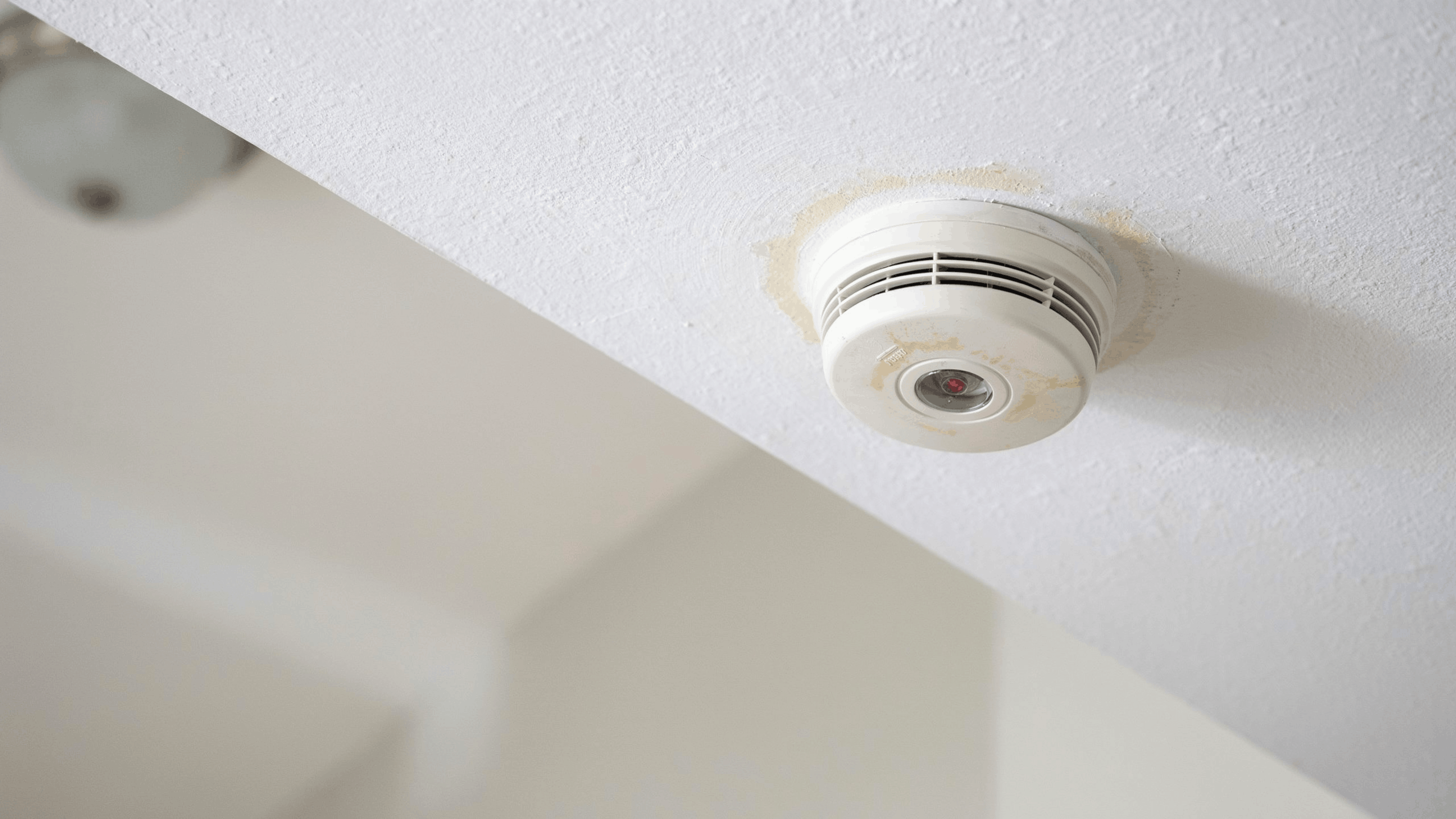
You test your smoke detector every month. You press the button, you hear the loud chirp, you nod, and you move on with your day. It feels responsible. It feels like enough.
It might not be.
There’s one small thing about your smoke detector that almost no one thinks to check. And if it’s true for yours, that reassuring chirp you rely on could mean nothing at all when it actually matters.
The chirp isn’t proof your detector works
Here’s the uncomfortable part. When you press the test button on a smoke detector, you aren’t testing whether it can detect smoke. You’re testing something much smaller than that.
According to Fire and Safety Journal Americas, which trains the technicians who inspect these units under the national fire code, the test button only confirms three things: the horn works, the wires inside work, and the battery has power. It says nothing about whether the little smoke-sensing part inside can still spot smoke. Their trainers describe the button as “a pulse check, not a full physical.”
Read that again. The horn works. The battery works. The wires that light up the horn work. That’s the entire thing your monthly button-press is confirming.
The part of the detector that’s actually supposed to save your life is a small, sealed piece inside the unit. It’s completely separate from the horn. And it can quietly stop working while the horn keeps sounding just fine.
Why the smoke-sensing part dies while the beep stays loud
Every smoke detector uses one of two ways to sniff for smoke. Both of them wear out over time. Neither of them tells you when they do.
The first type, called an ionization detector, uses a tiny bit of a radioactive material inside a small sealed chamber. That material creates a very weak electric flow inside the chamber. When smoke drifts in, it messes with that flow, and the alarm goes off. Here’s the catch: that radioactive material naturally gets weaker with age. As it fades, the sensor becomes less able to notice smoke, even though the horn part of the unit still works perfectly.
The second type, called a photoelectric detector, works differently. It shines a small beam of light inside the same kind of chamber. When smoke drifts in and scatters the beam, the alarm goes off. Over the years, tiny bits of dust and normal household grime coat the inside of that chamber. According to the fire-alarm industry publication QuickShip Fire, cleaning can’t fully fix this buildup, and the sensor loses its sharpness long before the unit would fail a button test.
Either way, the story is the same. The horn stays loud. The smoke-sensing part goes quiet. And you have no way to feel the difference from the outside.
The National Fire Protection Association (the group that writes the fire safety rules almost every U.S. state follows) has actually measured this gap. In its most recent Smoke Alarms in the U.S. report, even in homes where a smoke alarm was on the wall during a deadly fire, the alarm failed to go off about 19 percent of the time. That isn’t homes with no alarm. That’s homes where somebody had a detector on the ceiling, pressed the button now and then, and thought they were covered.
You’re almost certainly not alone in this
Before we get to what you’re actually supposed to check, know this. It isn’t some strange safety slip-up that only happens to people who ignore their homes. In September 2024, the U.S. Consumer Product Safety Commission (the federal agency in charge of product safety in America) published a big nationwide survey on how households use their smoke alarms.
The findings are a shock. Only about half of households (51 percent) could correctly say how old their smoke alarms were. More than 6 in 10 tested them less often than they should. And about 16 percent of households who were sure all their alarms were fine ran into at least one that failed when tested.
That means roughly half the country is in the same spot you might be in right now: pressing a button, hearing a chirp, and having no real idea whether the little sensor above their bed still works.
The reason is simple. Nobody teaches you what actually matters. So here’s the check.
The check that actually matters
Every smoke detector has a “made-on” date printed on it somewhere. Not the day you installed it. Not the day you bought it. The date the unit rolled off the factory line.
Under the U.S. national fire code (a rulebook called NFPA 72, section 14.4.5.3), every smoke detector has to be replaced 10 years from that made-on date, whether it still beeps or not. This isn’t a company’s marketing suggestion. It’s the actual rule. First Alert, Kidde, and every other major U.S. brand build to it. Both types of sensors are only trusted to detect real smoke for that 10-year window. After that, according to First Alert’s own guidance, the sensor can respond just fine to a button test while still failing to catch real smoke in an actual fire.
Here’s how to find the date. It takes about two minutes.
Do this:
Take the detector down. Most battery-powered units twist off their base to the left (counterclockwise). Hold the base with one hand so nothing drops. If your detector is wired straight into your ceiling, switch off that room’s power at the fuse box first, or wait and have an electrician swap it out. Live house wires aren’t something to poke around with.
Flip the unit over and look at the back. You’re looking for a printed or stamped label that says something like “MFG DATE: 06/2014” or “Manufactured: June 2014.” Some newer units show a “Replace By” date instead, which is the same math already done for you.
Do the subtraction. If the made-on date is more than 10 years ago, the smoke-sensing part is past its safe age, no matter how loud the chirp still sounds. Replace it.
If there’s no date printed anywhere on the unit, that is the date. According to safety guidance from the First Alert Store, units old enough to lack a clear date use a labeling style from before today’s rule. In plain terms: it’s definitely old enough to swap out.
A new home smoke detector costs about $15 to $25 (roughly €14 to €23, or £12 to £20) at any hardware store. Swapping one takes about five minutes. That’s the whole fix.
Why this matters more than any other check in your house
The National Fire Protection Association reports that working smoke alarms cut your risk of dying in a home fire by about 60 percent. That number is the whole reason the device exists. It isn’t a small edge. It’s the difference between waking up and not.
In 2024, home fires in the United States killed about 2,920 people, according to industry data pulled together from NFPA and the U.S. Fire Administration. Modern homes, full of synthetic couches, mattresses, and finishes, burn much faster than older homes did. The Centex Inspection Services safety guide points out the well-known figure that you may have as little as three minutes to get out once the alarm sounds. A sensor that fires 30 seconds late instead of 30 seconds early wipes out most of that window.
That’s the honest reason this one check matters. Not because the horn will fail. Not because the battery will die. But because the little sensor doing the actual smoke-catching can quietly age out of use while everything else about the unit keeps sounding perfectly fine.
Go flip yours over tonight.
Sources: (1) Fire and Safety Journal Americas, “How to Test Smoke Detectors: NFPA 72 Steps & Best Practices”; (2) QuickShip Fire, “Smoke Detector Replacement Timeline”; (3) National Fire Protection Association, “Smoke Alarms in the U.S.” report and Fire Prevention Week 2024 findings; (4) U.S. Consumer Product Safety Commission, 2024 Smoke and CO Alarm Survey; (5) First Alert Store, “Do Smoke Alarms Expire?”; (6) Guardian Protection, 2024 U.S. House Fire Statistics compiled from NFPA and USFA data; (7) Centex Inspection Services, home smoke alarm testing guide.
The post Warning: this one mistake could keep your smoke detector from sounding in a real fire appeared first on Trendir.