

The Gap in the Front of Public Toilet Seats Has a Purpose, and Plumbing Codes Require It
© Madhourse
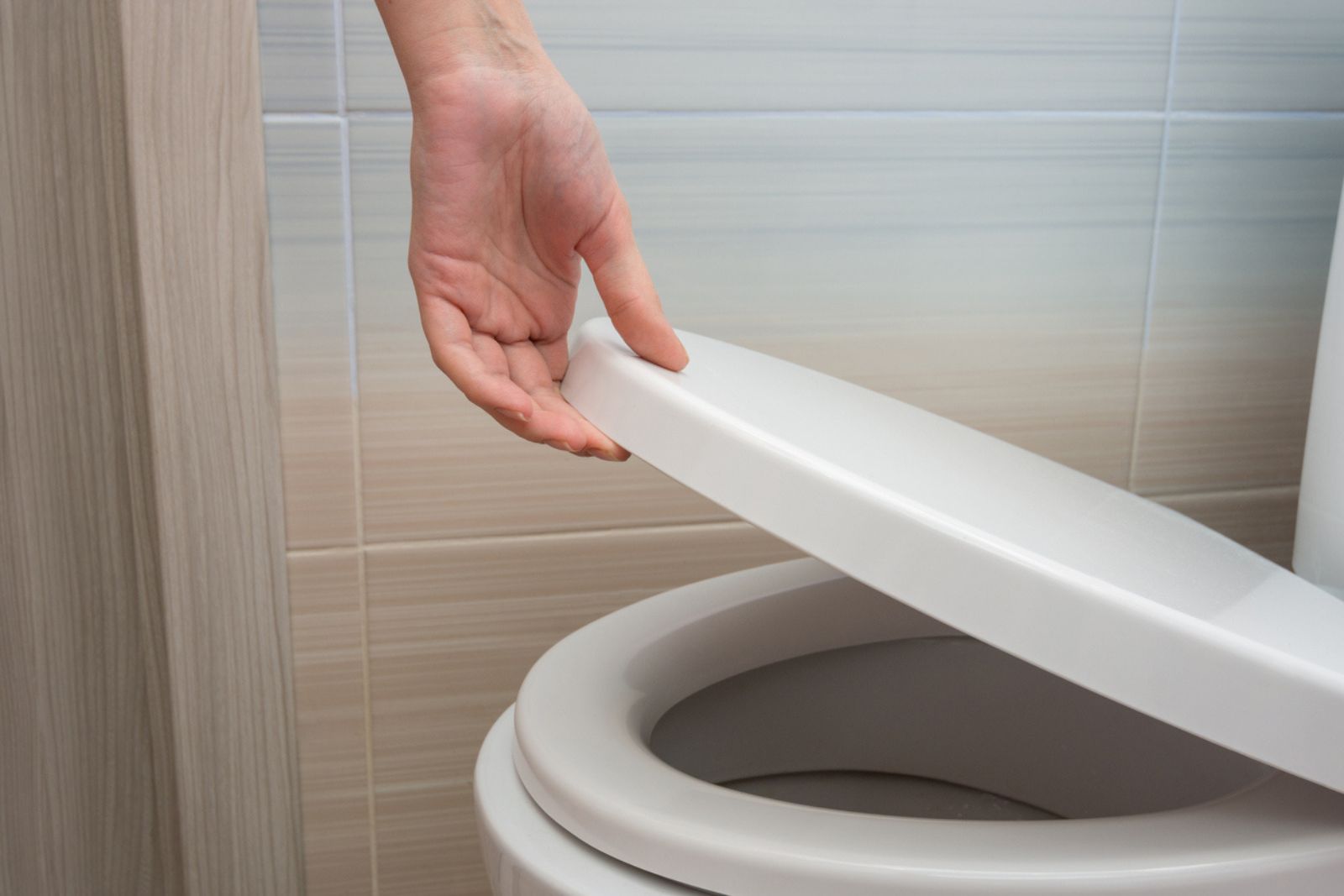
You’re at an airport or a restaurant, and you notice it again: the toilet seat isn’t a closed oval like the one at home. There’s a gap cut out of the front, as if someone sliced off a piece to save plastic. You’ve seen it a thousand times and never quite known why it’s there.
This is not your fault. Nobody explains it, and most home bathrooms don’t have one. But that gap isn’t a cost-cutting trick. It’s in the plumbing codes. According to the International Association of Plumbing and Mechanical Officials, or IAPMO, the open-front requirement was first included in the American Standard National Plumbing Code in 1955, and in the Uniform Plumbing Code in 1973.
Why public seats have a gap in the front
The reason is mostly hygiene. Lynne Simnick, IAPMO’s senior vice president of code development, has explained that the opening is designed to “allow women to wipe the perineal area after using the toilet without contacting the seat.”
The open front also leaves room to avoid contact with the genitals and reduces urine splashing on the seat. In a busy shared restroom, less contact means a cleaner seat for the next person.
What the codes actually require
The rules depend on where you are, since states and cities adopt their own versions of the model codes. A few examples:
California: The California Plumbing Code says seats for public use “shall be of the elongated type and either of the open front type or have an automatic seat cover dispenser.”
Indiana: Under the state’s plumbing code, based on the International Plumbing Code, water closet seats serving public or employee facilities must have an open-front design.
Hotel rooms: In a 2020 interpretation, Indiana’s State Building Commissioner concluded that seats in individual hotel or motel guest bathrooms are not required to be open-front.
In other words, the requirement is aimed at restrooms shared by the public or by employees. A private bathroom inside a home is a different category, and the codes don’t require open-front seats there. That’s why most home bathrooms use closed oval or round seats.
Open-front seats at home
The codes don’t require an open-front seat in a home, but they don’t forbid one either. It’s simply a matter of preference, and most home bathrooms keep a closed-front seat.
If you’re replacing a seat, measure first. California’s code also says seats must be properly sized for the bowl type, and the same principle applies at home: an elongated bowl needs an elongated seat, and a round bowl needs a round one. If you manage a small office, rental property or shop with a public restroom, check your local plumbing code or ask your building department before swapping seats, since the rules vary by state and city. This is not legal advice.
If the rest of the bathroom feels dated while you’re at it, you may not need a full gut job: refreshing old bathroom tile can be faster and cheaper than retiling. Gap in front for public use, closed oval at home. That’s the trick.
The post The Gap in the Front of Public Toilet Seats Has a Purpose, and Plumbing Codes Require It appeared first on Trendir.