

Don’t Pile Soil on Exposed Tree Roots: Why Tree Experts Say It Can Smother the Tree
© sanfel
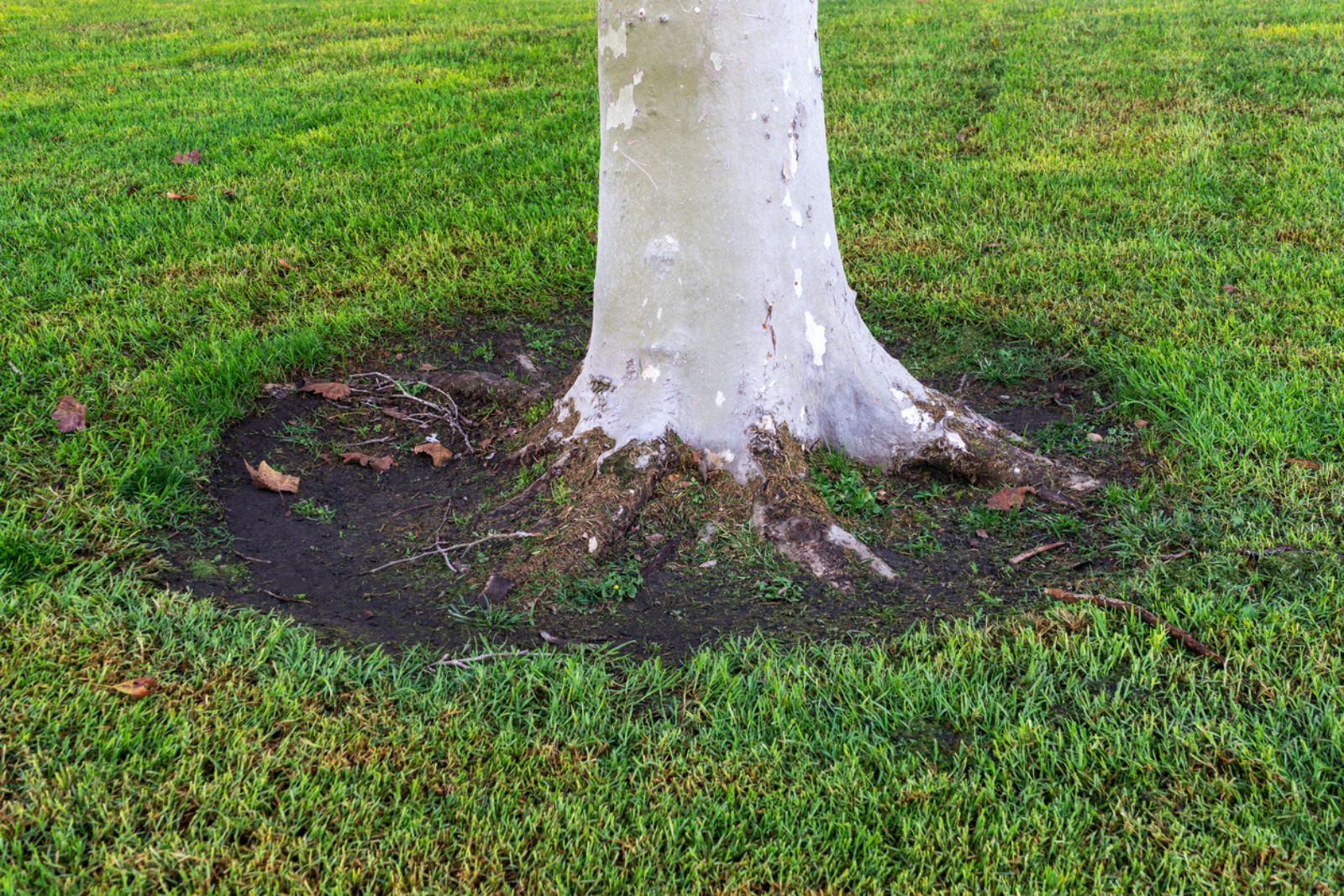
Every time you mow, the blade catches on the same knobby roots snaking across the lawn under the old maple. So you order a few bags of topsoil, spread a thick layer over them and reseed. It looks tidy for a month. Then the grass thins again, and by next summer the tree’s canopy looks sparser than it used to.
This is not your fault. Covering exposed roots with soil feels like the gentle fix: you’re protecting them, not cutting them. But Rick Durham of the University of Kentucky’s horticulture extension warns that piling on lots of soil is risky, because deep fill over the root zone can suffocate roots. University of Wisconsin-Madison Extension says the same: applying too much soil over the roots can suffocate them and cause tree damage or death.
Why the roots are on the surface in the first place
Roots don’t grow deep by default. Durham explains that most tree roots spread outward in the top 4 to 15 inches of soil, because that’s where oxygen is available. In heavy, compacted or poorly drained soil, oxygen is scarce, so roots creep even closer to the surface. Wisconsin Extension adds that erosion can wash soil away and expose them.
That’s the problem with a thick layer of topsoil. It buries roots that are near the surface precisely because they need air. Cutting them off is worse: Durham calls cutting or grinding off visible roots the worst thing you can do, and Wisconsin Extension warns that hitting them with a mower or trying to prune them can seriously affect the tree’s health.
What to do instead
Keep any topsoil to a whisper. If you want to keep grass, Durham says to add just enough topsoil, a half inch or less. Wisconsin Extension suggests just enough to cover the roots by about a half inch.
Switch the area to wood mulch. Durham recommends a 2- to 3-inch layer of shredded wood or chips to cushion the roots.
Make the ring wide. Extend the mulch as far as you can, ideally to the dripline, the edge of the canopy.
Pull it back from the trunk. Keep mulch a few inches away from the trunk and skip volcano mulching, Durham says. Don’t pile it up against the bark.
Plant in pockets, if you want color. Both extensions suggest hand-digging small planting pockets between the roots for shade-loving perennials or groundcovers, instead of tilling the whole area.
A mulched ring under a tree also gives the yard a finished edge, the same idea behind the soft mulch and low plantings in one of these corner backyard landscaping ideas.
When to call an arborist
If someone has already spread several inches of fill over the root zone, or the tree is dropping branches, thinning at the top or showing dieback after construction or regrading, have a certified arborist look at it. An arborist can tell you whether the fill needs to come off and how to do it without injuring more roots.
And if the roots are lifting a sidewalk or a driveway, don’t cut them yourself. Given how much damage cutting roots can do, that’s a decision for a certified arborist, not a weekend project.
Skip the soil, spread the mulch wide and keep it off the trunk. That’s the trick.
The post Don’t Pile Soil on Exposed Tree Roots: Why Tree Experts Say It Can Smother the Tree appeared first on Trendir.