

The Pyrex Patterns in Grandma’s Cupboard That Collectors Now Hunt for at Thrift Stores
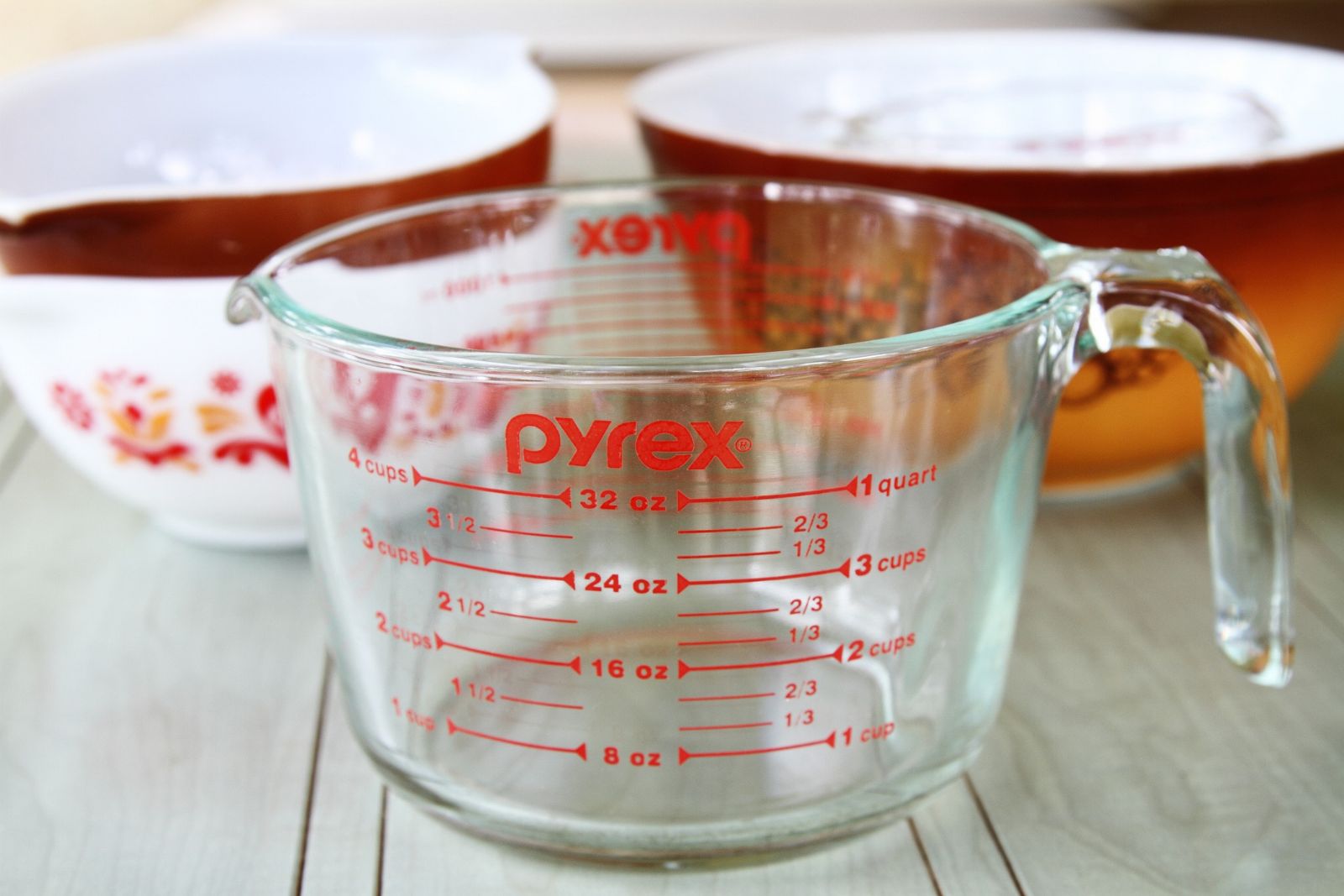
The Pyrex Patterns in Grandma’s Cupboard That Collectors Now Hunt for at Thrift Stores © NoDerog
The kitchen is half packed. A cardboard box marked “donate” sits on the counter, and into it go the things nobody seems to want: a stack of milky white mixing bowls, a casserole with a faded turquoise farm scene, a refrigerator dish with pink berries on the side. They look like everyday kitchenware from another era, because that’s exactly what they are. By the end of the afternoon, the box is full and ready for the thrift store.
This is not your fault. Pyrex was so common in American kitchens that it’s easy to see it as clutter rather than history. But the Corning Museum of Glass keeps examples of these patterns in its collection, with production dates and descriptions, and collectors know them by name. The Pyrex Collector, a long-running reference site for enthusiasts, says finding them at thrift stores is mostly a matter of luck on any given day. That luck can start in your own cupboard. Here are the patterns worth a second look, and how to recognize them.
1. Butterprint, the farm scene in turquoise
Butterprint was made from 1957 to 1968, according to the Corning Museum of Glass, and it was one of the first printed patterns on opal Pyrex. Look for stylized farm scenes: corn stalks, roosters, wheat sheaves, and a farmer and his wife, in an Amish-style print. The museum’s example is turquoise on white, and the pattern also came white on turquoise. The museum notes that promotional sets in orange and pink on white, and white on pink, appeared in the late 1950s and early 1960s. In 1963, a “Turquoise” line used both Butterprint and Snowflake in white on turquoise.
2. Gooseberry, the berries and leaves
Gooseberry arrived the same year as Butterprint, in 1957, and the whole line was discontinued in 1966, per the museum. It shows gooseberries and leaves, often on both long sides of a dish with the short sides left plain. Colorways include pink on white, white on pink, black on yellow and black on white, plus a rare promotional gold on beige. Gooseberry and Butterprint were also the first patterns offered in both traditional bowls and the new Cinderella style, which had a handle on one side and a spout on the other. The museum credits the Cinderella bowls to designer John Philip Johnson, so a printed bowl with a spout is worth a closer look.
3. Snowflake, one of the very first prints
In 1956, Snowflake became one of the first screen-printed Pyrex patterns, according to a history published by the Corning Museum of Glass. Early versions came in white on turquoise, turquoise on white and white on charcoal. The Pyrex Collector’s timeline also lists a later Snowflake Blue, made from 1972 to 1976, so the color and the backstamp help tell an early piece from a later one.
4. Pink Daisy, Snowflake’s twin
Pink Daisy launched alongside Snowflake in 1956 as the other first screen-printed pattern, and The Pyrex Collector dates its run from 1956 to 1963. Because it came out first and lasted only a few years, it’s one of the patterns that tells you a piece dates from the very start of decorated Pyrex.
5. The solid-color mixing bowls
Before the prints, there was color. The museum describes primary-colored opalware arriving after World War II, and Lime and Flamingo Pink joining the Primary Colors line in 1952. The Pyrex Collector dates the original multicolor nesting bowls from 1945 to 1968. One clue it gives: the earliest nesting bowls have a deeper base ring and a thicker rim than later ones.
6. The short-lived gift-set patterns
Between 1957 and 1959, Pyrex offered promotional gift sets in patterns such as Black Tulip, Scroll, Bluebird and Golden, according to the museum’s history. Collectors later gave names to several patterns from that period that never had official ones, including Compass, Yellow Starburst and Dandelion Duet. If a piece has a print you don’t recognize, it may belong to this group. The Pyrex Collector cautions, though, that pieces advertised as rare or one of a kind deserve a healthy dose of skepticism.
7. Spring Blossom Green, the 1970s classic
The Corning Museum of Glass lists Spring Blossom Green, green on white, in its Pyrex pattern library. The Pyrex Collector dates the first version from 1972 to 1979 and a second version from 1979 to 1981. If your bowls carry a green floral print on white, compare them against the museum’s library before deciding they’re just everyday dishes.
8. Friendship, the orange pattern with a patterned lid
Friendship, made from 1971 to 1974 according to The Pyrex Collector, is easy to spot in orange. The museum’s pattern library includes an orange Friendship piece with a clear patterned lid, and a lid variation, so keep any lid that came with the dish.
Before anything goes in the donation box
Pattern alone doesn’t make a piece worth keeping. Condition decides most of it, and The Pyrex Collector’s checklist is simple:
Flip it over. The backstamp is embossed on the bottom. From about 1950, it shows TRADE MARK above PYREX, a ® below and MADE IN U.S.A., with a model number above. Metric capacities mean the piece dates from the mid-1970s or later.
Feel every edge. Chips are found mostly on the lip of a dish or bowl, and on clear lids they’re often easier to feel than to see.
Check the paint. Look under the handles and at the bottom corners for rub wear and paint loss.
Look for dishwasher damage. A rough, faded, hazy look on colored pieces is a common sign.
Keep sets and lids together. Collectors care about complete pieces, and an incomplete or damaged item is worth less.
Be realistic, too. A stripped piece with the color nearly gone draws almost no collector interest, so don’t count on every bowl being a find. If you want to keep a few favorites without crowding the kitchen, a hutch or open shelf works well, the way many vintage farmhouse kitchens put old dishware on display.
Check the pattern, flip for the backstamp, feel the edges. That’s the trick.
The post The Pyrex Patterns in Grandma’s Cupboard That Collectors Now Hunt for at Thrift Stores appeared first on Trendir.