

This one tidy habit could be why your washer smells musty: the fix is embarrassingly simple
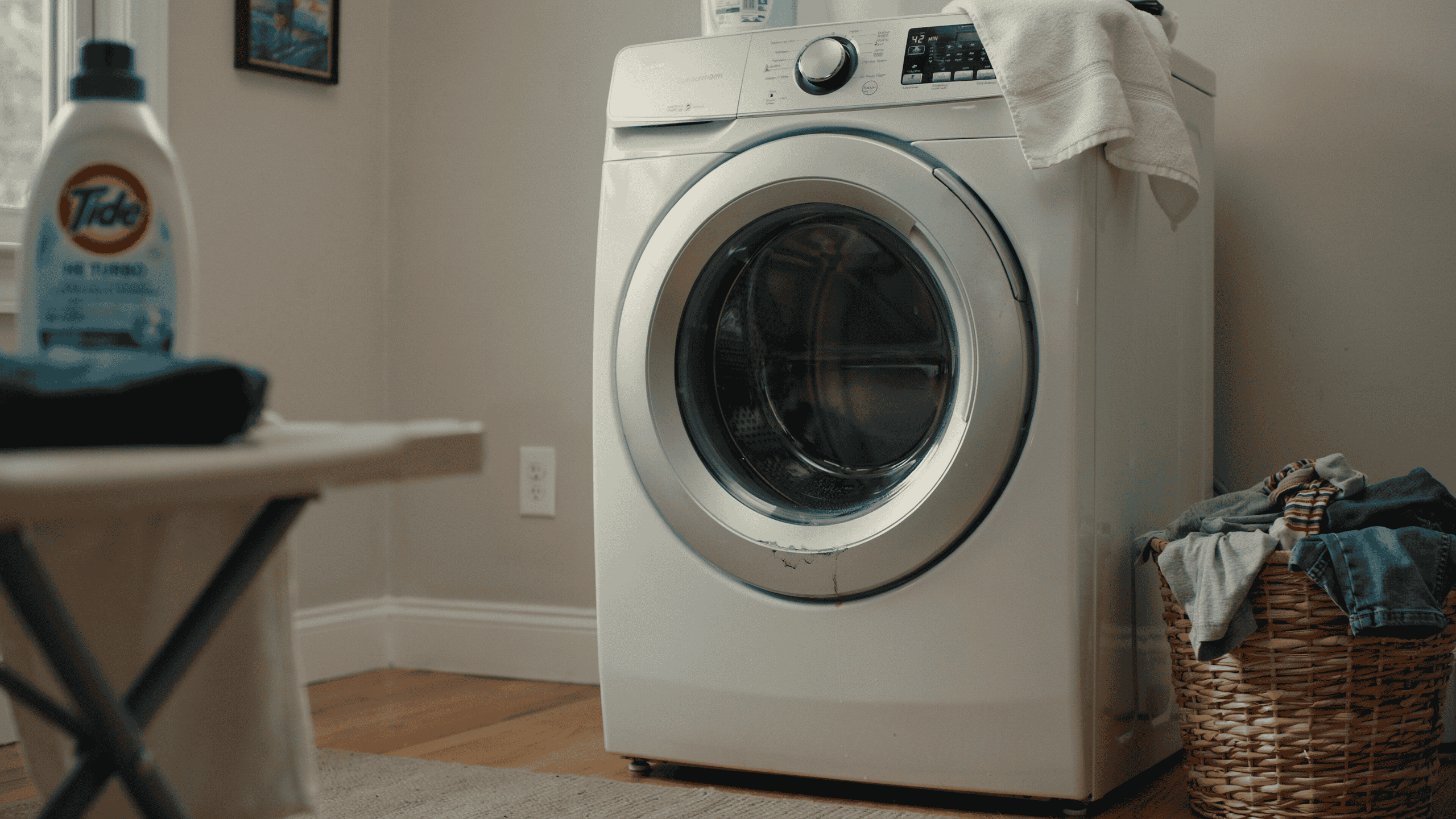
Your washer smells damp and sour, like a wet gym bag left in the trunk. You’ve run cleaning cycles. You’ve bought the tablets. You’ve tried vinegar. The smell keeps coming back within a week or two, and now it’s getting on your clothes.
Here’s the part almost no one talks about: the reason it keeps coming back isn’t your detergent or your cycle. It’s a small, tidy habit you probably do without thinking, right after every load.
Once you know what it is, the fix is free, takes about half a second, and stops the smell where it starts instead of you chasing it every month.
First, what that smell actually is
That sour, wet-towel smell isn’t “just how washers smell.” It’s a living thing growing inside the machine.
Back in 2012, researchers at Moriyama University in Japan figured out exactly what it is. Their study (published in Applied and Environmental Microbiology, the peer-reviewed journal of the American Society for Microbiology) named a germ called Moraxella osloensis as the main cause of that “wet dishcloth” smell on damp laundry. As the germ grows, it puts out a chemical your nose reads as “musty.” The same study found ten times more of this germ on stinky towels than on clean ones.
A follow-up study on German homes, published in the journal Microorganisms, found the same germ living inside the washing machine itself, mostly in the rubber door seal and the detergent drawer.
In plain English: there’s a real germ growing inside your washer, and you can’t smell your way past it.
Why the germ is thriving in your machine
Front-load washers and newer high-efficiency (HE) top-loaders are built to save water and energy. Good for your bill. But the same design gives this germ the exact conditions it loves.
Three things line up inside a sealed washer.
One, the machine holds water on purpose. The rubber door seal on a front-loader (called the “boot”) has folds that catch small amounts of water so it doesn’t leak onto your floor. Not a defect. It’s how the seal works. But it means a few ounces (about 50 to 100 ml) of water stay behind after every load, in spots you can’t see.
Two, almost everyone washes cold now. Cold cycles save energy, but they don’t fully break down detergent and softener. A thin, sticky layer gets left behind on the drum, the seal, and the drawer. That layer is food for the germ. Moraxella also survives cool washes and only really dies at very hot ones (around 140°F or 60°C) that most home cycles never hit.
Three, most people use way too much detergent. HE machines need about one to two tablespoons (15 to 30 ml) per normal load. Most of us fill to the cap line, which is two to four times more than the machine needs. The extra doesn’t rinse out. It just sits.
Put it together and you get a warm, dark, sealed space, a leftover layer of soap for the germ to eat, and trapped water that never dries. Over time, that becomes a slimy layer stuck to the seal, the drum, and the drawer. That slimy layer is the smell. Every load after runs your clean clothes right through it.
Why cleaning cycles keep letting you down
Here’s why everything you’ve tried only works for about a week.
Affresh, Tide Washing Machine Cleaner, and the “Tub Clean” cycle all scrub the drum during a hot wash. They help, but they mostly only reach the drum. The seal folds, the drawer, and the drain filter (where most of the slimy layer actually lives) barely get touched. And these are patches, not real prevention. The second the cycle ends, the drum is wet again, the door closes, and the layer starts building back within days.
Vinegar and bleach cycles work about the same. Kill what you can see for a few days, then the smell comes back, because nothing changed about the environment inside.
Wiping the seal is what manufacturers recommend, and it does help. But if the door and drawer close on a still-damp machine right after, the moisture gets trapped again anyway.
Every one of these fights the smell. None of them fix the reason it keeps coming back, which is that the inside of your machine never gets a real chance to dry out. And the reason it never dries out comes back to that one small habit.
The tidy habit doing the damage
You finish a load. You move the clothes to the dryer. Then, without thinking, you push the door shut and slide the detergent drawer flush. The laundry room looks neat, the machine looks “done,” and you move on.
That’s it. That’s the habit.
Closing a sealed washer door on a damp drum is basically the same as sealing a wet towel in a plastic bag. The water has nowhere to go. The temperature inside creeps up. The soap layer feeds the germ that’s already there. Whirlpool, which makes the machines, says it plainly on its own care page: “leave the door open after each use to allow for air circulation.” Sears Parts Direct says the same in its front-loader guide.
The U.S. Environmental Protection Agency’s guide on mold and moisture backs the rule underneath this. Any wet spot indoors needs to dry within 24 to 48 hours or mold starts growing. A closed washer door around a damp drum does the exact opposite, load after load, week after week.
The tidier the machine looks, the worse the problem gets.
The fix, in plain steps
The good news: this is one of the cheapest, easiest home fixes there is. Nothing to buy. No product. Just a small swap in what you do after every load.
After every load, do this:
Leave the washer door open. Not cracked. Actually open, so air moves through the drum. A few inches (about 5 to 10 cm) is enough. This is the single most important change.
Pull the detergent drawer out to where it stops so the little tray where softener sits can dry too. Don’t push it back flush until the next load.
Wipe the door seal fold once a week with a dry microfiber cloth or an old towel. Pull the rubber gently back, run the cloth all the way around, and dry any water sitting in the bottom fold. Takes about 15 seconds.
Use one to two tablespoons (15 to 30 ml) of HE detergent for a normal load, not a full cap. Check the bottle. The line on the cap is usually meant for very large or very dirty loads.
Move wet laundry to the dryer as soon as the cycle ends, not hours later. A sealed drum full of wet clothes sitting for four hours is a different kind of problem.
The two most common worries about this both have easy answers. Got a toddler or a small dog who might climb in? Keep the laundry room door closed, or use a small magnetic prop that holds the washer door open just a couple of inches (about 5 cm). If the open-door look bugs you, close it before company comes over and open it back up when they leave. The machine only needs a few hours of air between loads.
What changes if you actually do it
Within about a week of leaving the door and drawer open every time, the smell you already have starts to fade on its own. The slimy layer dries out and stops giving off that sour chemical. Within two to three weeks, clothes stop coming out with that damp note. The seal folds go from slick and dark to matte and dry. You stop buying cleaning tablets.
The tidiest-looking washer in the house is often the smelliest one. Leaving the door open looks a little less neat, but it’s the one habit that keeps the mildew smell from ever forming in the first place.
Sources: (1) Kubota et al., “Moraxella Species Are Primarily Responsible for Generating Malodor in Laundry,” Applied and Environmental Microbiology (American Society for Microbiology), 2012; (2) Jacksch et al., “A Comprehensive View of Microbial Communities in the Laundering Cycle,” Microorganisms (MDPI), 2022; (3) U.S. Environmental Protection Agency, “A Brief Guide to Mold, Moisture and Your Home”; (4) Whirlpool, “How to Remove Smells in a Front Load Washer”; (5) Sears Parts Direct, “Want a fresh-smelling front-load washer? Don’t close the door”.
The post This one tidy habit could be why your washer smells musty: the fix is embarrassingly simple appeared first on Trendir.